


Joint Certificate Course by IIT Bombay and L&T
Silicon to SoC: Fundamentals of Design and Verification
A structured pathway into semiconductor design, leading to a joint certification from IIT Bombay and L&T
July 2026
Programme Start Date
Course Overview
This Joint Certificate Course is designed to build practical capability in semiconductor design, combining foundational concepts with real-world application. You will progress through a structured learning journey starting with digital design fundamentals, moving into RTL design and verification, and advancing towards system-level understanding of processors, memory, and SoC architectures.
This Programme enables you to translate theory into practice and develop skills aligned with modern semiconductor workflows.
Value Propositions
Delivered by IIT Bombay faculty , L&T Semiconductor Technologies Ltd. (LTSCT) and L&T EduTech Experts
3-day immersive experience at IIT Bombay campus
Exposure to industry-aligned tools, workflows and real-world practices
Flexible weekend learning for working professionals & final year students
The Semiconductor Industry Today
The global semiconductor industry is entering a defining decade, with nations accelerating efforts to build self-reliant chip ecosystems. India alone is projected to become a $100+ billion market, driven by rapid growth across AI, electric vehicles, and smart infrastructure.
At the same time, emerging architectures such as RISC-V, Edge AI SoCs, and chiplet-based designs are reshaping how systems are built.
Yet, a clear gap remains.
While demand for VLSI and SoC talent continues to rise, there is a shortage of engineers who can bridge foundational knowledge with real-world design and verification.
This Programme is designed to address that need—offering an integrated understanding of semiconductor systems, grounded in both principles and application.
Programme Highlights
The Silicon to SoC Programme is a structured, industry-aligned learning journey that takes participants from semiconductor fundamentals to system-level design thinking.
The Programme is designed to reflect how modern semiconductor teams actually work — integrating design, verification, and automation into a unified workflow.
Learning Experience & Capstone Journey
Conceptual Foundation
Applied Learning
System Thinking
Capstone Project
The Programme progresses from core concepts to hands-on application, culminating in a capstone project aligned to real-world semiconductor challenges.
Industry-relevant assignments
Real-World Case Studies
Capstone project integrating design & verification
IIT Bombay Campus Immersion
Step Into the Ecosystem of Semiconductor Innovation
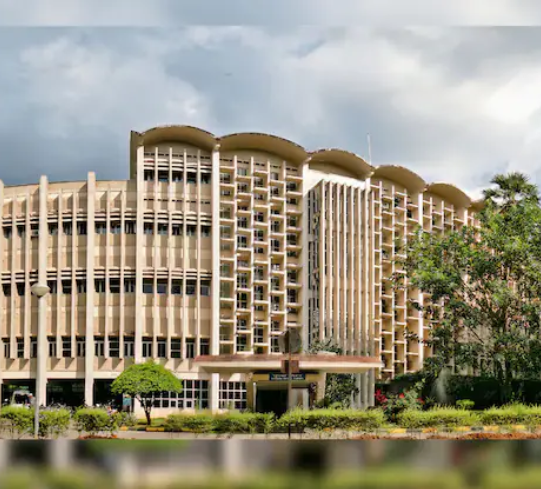
Spend three immersive days at IIT Bombay—stepping into an ecosystem where semiconductor concepts come alive through research, labs, and real-world applications.
You’ll Experience
- In-person sessions with IIT Bombay Faculty Members
- Exposure to SemiX – IIT Bombay Centre for Semiconductor Technologies
- Interactions with peers and domain experts
- A first-hand experience of the campus, labs, and learning environment
The immersion brings a new dimension to your learning—connecting concepts with context, and helping you see how semiconductor systems are understood, built, and advanced in real environments.
You Will Achieve
By the end of the Programme, participants will be able to
Understand the complete semiconductor design lifecycle
Build and simulate RTL designs using industry tools
Apply verification techniques for functional correctness
Work with processor, memory, and SoC building blocks
Use Python and C for automation in design workflows
Approach real-world problems with system-level design mindset
Career Pathways
This Programme prepares you for roles such as
SoC Design
Engineer
VLSI Design
Engineer
RTL Design
Engineer
Verification
Engineer
Embedded Systems
Engineer
Ideal Participants
Engineers transitioning into semiconductor roles or VLSI roles
Industry aspirants targeting VLSI, chip design, and embedded systems careers
Final-year students in ECE, CSE or related disciplines
Programme Modules
Don’t miss out – Applications are closing soon.
Registration Process

Application Submission

Profile Review & Shortlisting

Offer of Registration

Enrollment & Fee Payment
Programme Commencement
Expert Profile
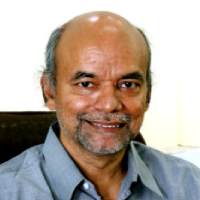
Prof. Madhav P. Desai
IIT Bombay
Ph.D. in Electrical Engineering from the University of Illinois, Urbana-Champaign, Prof. Madhav P. Desai is a leading expert in VLSI circuits, design automation, and system-level design methodologies.
He has significant industry experience as a Principal Engineer at Digital Equipment Corporation (USA), contributing to advanced semiconductor design and engineering. His work bridges deep academic research with real-world VLSI system applications.
Prof. Desai also led IIT Bombay’s team in developing India’s first indigenous microprocessor (AJIT), advancing homegrown semiconductor innovation.
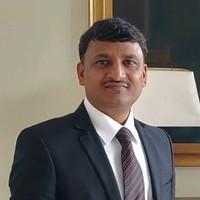
Mr.Manish Sharma
L&T Semiconductor Technologies
Manish Sharma brings over 25 years of leadership experience in the semiconductor industry, with expertise spanning system architecture, firmware, and end-to-end silicon development. An alumnus of BITS Pilani and IMT Ghaziabad, he has delivered advanced embedded and SoC solutions across Mobility, Energy, and Industrial sectors.
Previously a Director at NXP Semiconductors, he led global engineering teams to drive innovation in automotive and secure chip platforms. He is known for aligning deep technical execution with strategic business outcomes.
At L&T Semiconductor Technologies, he plays a pivotal role in advancing ‘Made-in-India’ secure semiconductor platforms for next-generation digital and industrial systems.
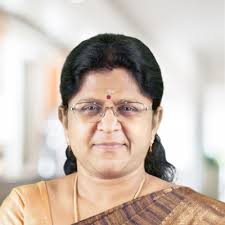
Dr. B. Venkatalakshmi
L&T EduTech
Dr. B. Venkatalakshmi, Subject Matter Expert in Electronics & Embedded Systems Engineering at L&T EduTech, has 30+ years of academic and research experience.
A PhD from Anna University, she specialises in Wireless Networks, Signal Processing, and AI-driven Edge Computing.
She has served as Vice Principal and Head of R&D, driving curriculum and research innovation.
An award-winning researcher, she has expertise in Matlab, Python, IoT, RFID, and 5G technologies.
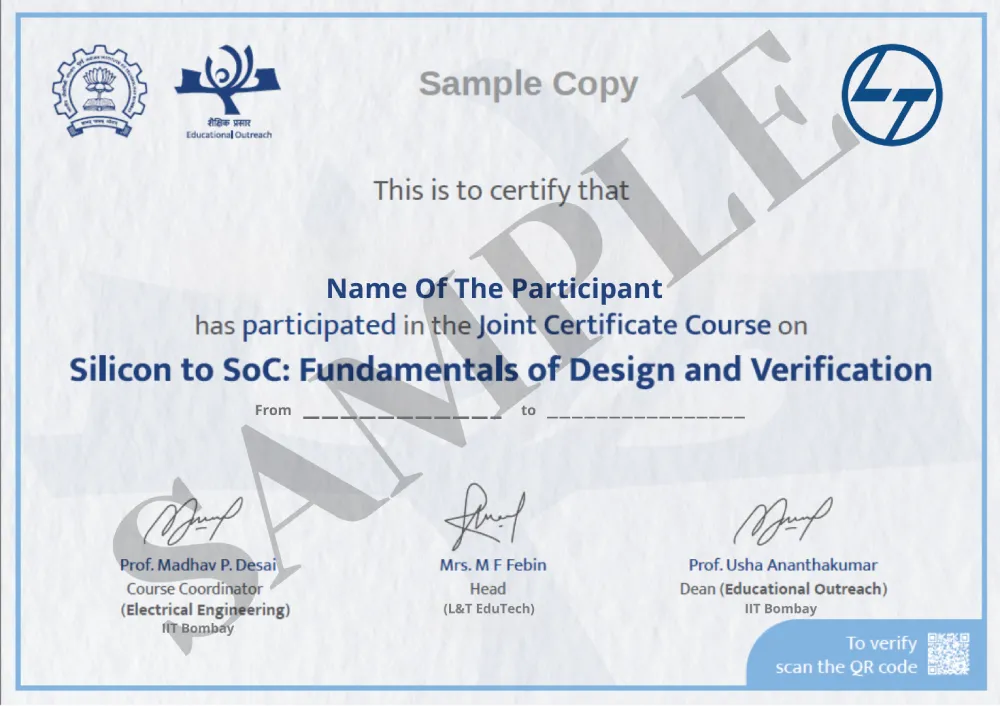
Certificate

Fill the Form to Download Brochure